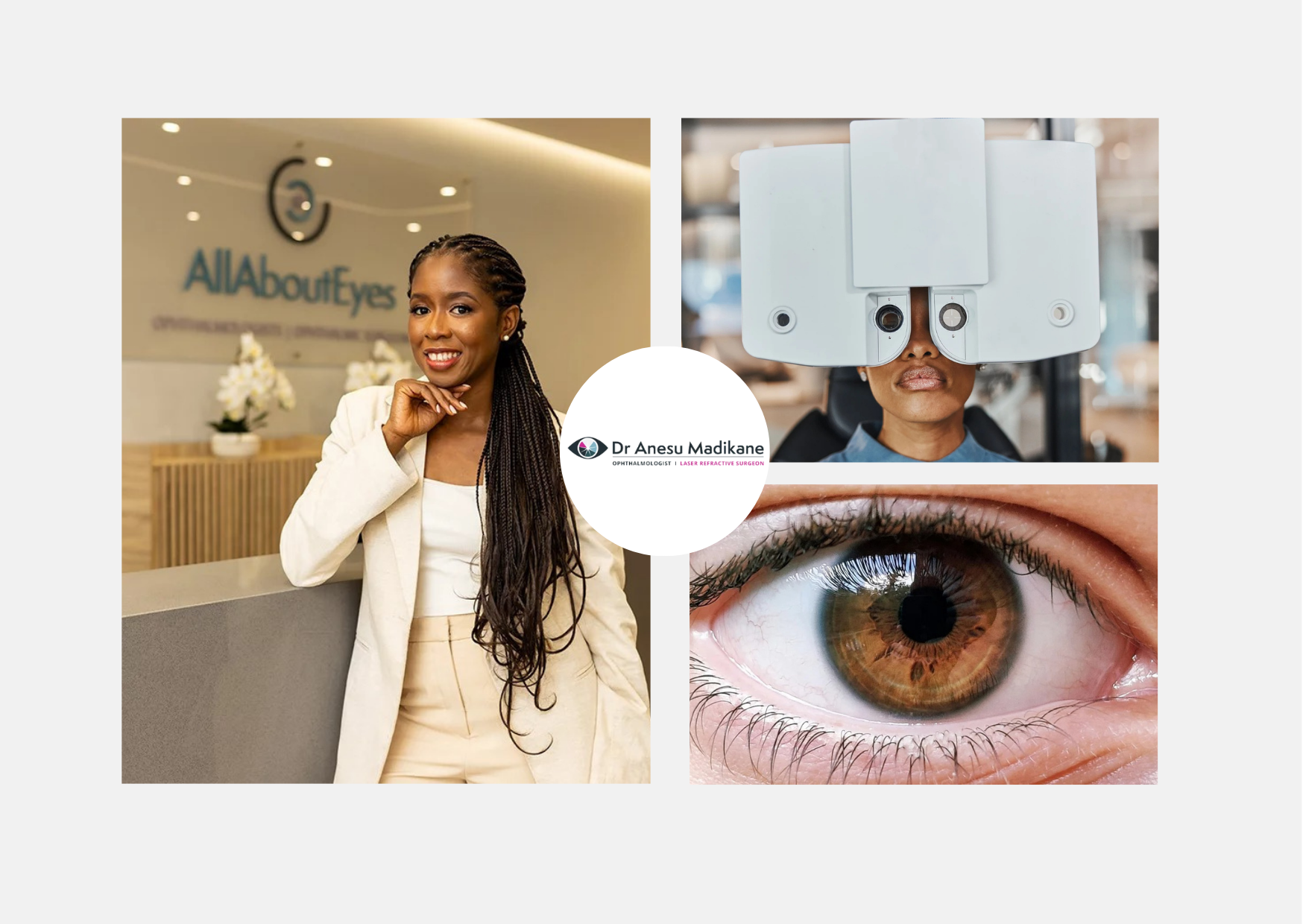
Know what you’re buying: outcomes, eligibility, and risks
Choosing laser vision correction is not just about finding a clinic; it’s about buying a predictable outcome. Before you schedule any consultation, ask how your prescription stability affects candidacy and whether your eye measurements match the range the technology can treat. A reputable surgeon laser eye surgery cape town will review corneal thickness, pupil size, dry-eye status, and any history of eye disease to estimate your visual goals realistically. This upfront assessment helps you avoid the common mistake of targeting marketing claims instead of personal suitability.
It’s also important to understand what “success” means in practical terms. Many patients aim for reduced dependence on glasses, but not everyone reaches perfect 20/20 without any enhancement. Ask your provider how they define satisfaction, what retreatment options exist, and how they handle residual refractive errors. You should also discuss possible side effects such as glare, halos, dry eye symptoms, or under/over-correction, and what steps are used to reduce those risks.
Compare modern procedures: lasik eye surgery vs prk
One of the most buyer-intent comparisons is between two popular approaches: lasik eye surgery vs prk. LASIK typically creates a flap in the cornea, then reshapes the underlying tissue with a laser, often offering faster visual recovery for many patients. PRK reshapes the cornea lasik eye surgery vs prk without creating a flap, meaning the outer surface heals over time, which can involve a different recovery experience. Your lifestyle—such as work demands, sports participation, and comfort with postoperative routines—can meaningfully influence which option fits you best.
When comparing procedures, don’t stop at “which is better.” Ask about how each technique manages corneal healing and surface irregularities, especially if you have dry eye or a history of allergies. In some cases, a doctor may recommend one method because it better matches the shape and thickness of your cornea rather than because of general popularity. A detailed discussion should include expected timelines for clarity, the role of medicated drops, and whether enhancement procedures are planned or only considered if results shift.
Smart questions for your consultation and treatment plan
To make a confident decision, prepare a list of questions that reveal how thorough the surgeon is. Ask what diagnostic tests will be performed, such as corneal topography, tomography, wavefront analysis, and tear-film evaluation, and how those results guide your plan. A strong consultation includes a clear explanation of your refraction, your visual targets, and the level of precision expected based on your measurements. You should also ask how they manage patients who have borderline findings and what criteria would trigger postponing or adjusting the plan.
Another high-value topic is postoperative care and compliance. Confirm the schedule for follow-up visits, what symptoms should prompt immediate contact, and how long drops or protective measures are needed. If you wear contact lenses, ask how long you must stop before testing and how that affects surface accuracy. Finally, request transparent information about costs, possible enhancement pathways, and what is included in the fee so there are no surprises later.
Conclusion
For patients comparing options in laser vision correction, a buyer-intent approach can save time and reduce anxiety. Focus on eligibility evidence, ask procedure-specific questions, and choose a clinic that clearly explains risks, recovery, and realistic expectations. If you want a structured path to decision-making, visit dranesumadikane.co.za and review the services that support patients from consultation to outcome planning. Dr Anesu Madikane emphasizes informed care for people exploring, helping you understand refractive surgery choices with professionalism and clarity.
When you treat the process like a purchase of expertise, you ask better questions and you’re more likely to leave the appointment with confidence. Look for a team that measures carefully, communicates honestly, and prepares you for both best-case results and manageable side effects. With the right guidance, you can move forward with a plan tailored to your eyes rather than generic advertising promises. That is the best way to protect your vision while pursuing sharper, more convenient sight.
