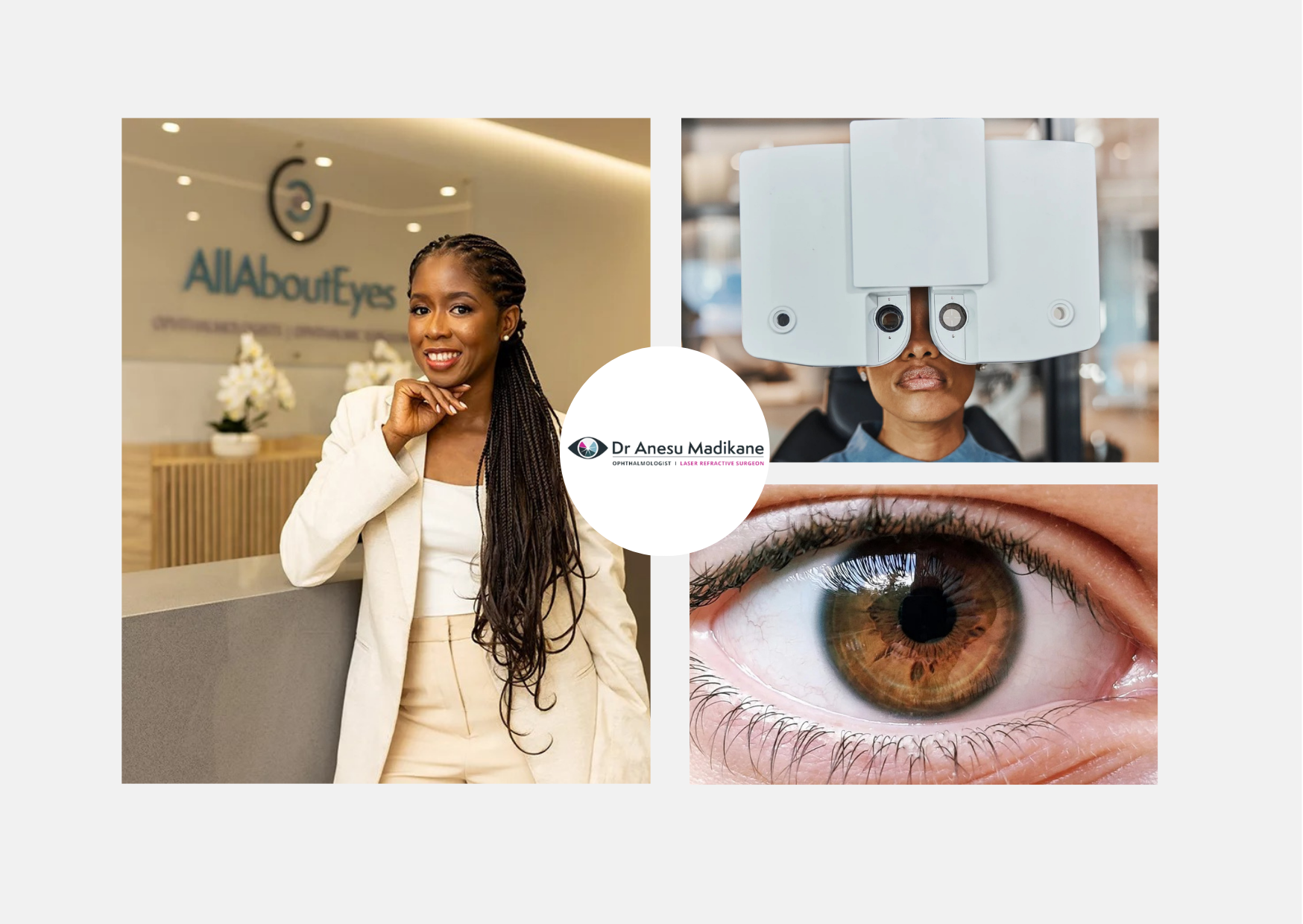
How to evaluate an eye specialist before you book
Choosing an eye specialist is not just about finding the closest appointment slot. Start by confirming that the practice manages the specific condition you’re concerned about, whether it’s refractive error, cataract evaluation, dry eye, or corneal irregularities. A good clinician eye specialist Pretoria East will explain what tests they recommend and what each result means for your visual goals and eye health. This approach helps you avoid surprises later and makes your decision feel informed rather than rushed.
Next, look at the quality and completeness of the consultation process. For example, a thorough assessment usually includes visual acuity testing, refraction measurement, corneal mapping, and an eye health check that rules out issues that could affect surgery suitability. You should also be able to ask direct questions about outcomes and risks in a way that the doctor can answer clearly. If the practice discourages unrealistic expectations and focuses on candid guidance, that’s a strong sign you’re in the right place.
Buyer-intent checklist for laser eye surgery decisions
If you’re considering laser eye surgery, your “buyer intent” can be supported by a practical checklist. Ask whether your eye measurements fall within the recommended ranges for the technique they offer, and whether enhancements or follow-up procedures might be needed. A careful doctor will discuss corneal thickness, tear film laser eye surgery cost south Africa quality, and the stability of your prescription over time, because these factors influence comfort and visual quality after treatment. You should leave the consultation knowing what they will do, what they will not promise, and what signs would require closer follow-up.
It’s also smart to understand the difference between consultation fees, diagnostic imaging, and the surgical package itself. Many people compare options using incomplete information, which can lead to confusion when quotes include or exclude testing, medication, or post-procedure reviews. Finally, ask about the clinic’s process for managing complications or persistent symptoms, because the best practices plan for aftercare as deliberately as they plan for the procedure.
What affects pricing and what questions reveal value
Laser eye surgery pricing can vary due to multiple clinical and service factors, not only the technology used. The complexity of your prescription, your corneal characteristics, and the need for additional treatments all influence surgical planning and time. The experience level of the surgeon and the depth of testing provided during the pathway to surgery can also change what is included in the final quote. When you compare providers, focus on the full value of the care pathway rather than a single number.
To assess real value, ask whether the evaluation includes advanced diagnostic tests and whether results are explained in plain language. A transparent practice clarifies what can be improved with surgery and what limitations remain, such as night vision effects or the possibility of needing reading support later. It helps to inquire about the follow-up schedule and how symptoms like dryness or halos are handled. If you can get consistent, patient-centered answers, you’re more likely to feel confident about both safety and results.
Conclusion
Start with the consultation process, confirm that the recommended tests are appropriate for your eye profile, and request an itemised explanation of costs and follow-up care. This buyer-intent approach helps you choose a provider that supports your vision goals while prioritising eye health and realistic expectations. If you want trusted guidance from an experienced team, consider Dr Anesu Madikane for personalised diagnosis and treatment planning. Patients who value clarity, careful assessment, and ongoing support often find that this approach leads to more confident decisions. For practical, reliable care from Dr Anesu Madikane, visit dranesumadikane.co.za.
