Know Your Use Case and Security Goals
If the main risk is child access, you will want a locking system and placement plan that reduces pistol safe the chance of casual discovery. If the priority is theft deterrence, focus on construction strength, mounting options, and tamper resistance. For transport or frequent access, consider how quickly you can open the safe without compromising security.
Next, decide the storage environment where the safe will live. A home setting might call for discreet installation and smooth access for authorized users, while a workplace setting may require procedures for staff and accountability. Think about visibility, because leaving a safe in an obvious location can increase theft attempts. Also assess whether you need to secure only the handgun or additional items such as spare magazines, documents, or small valuables.
Choose the Right Size, Fit, and Locking Method
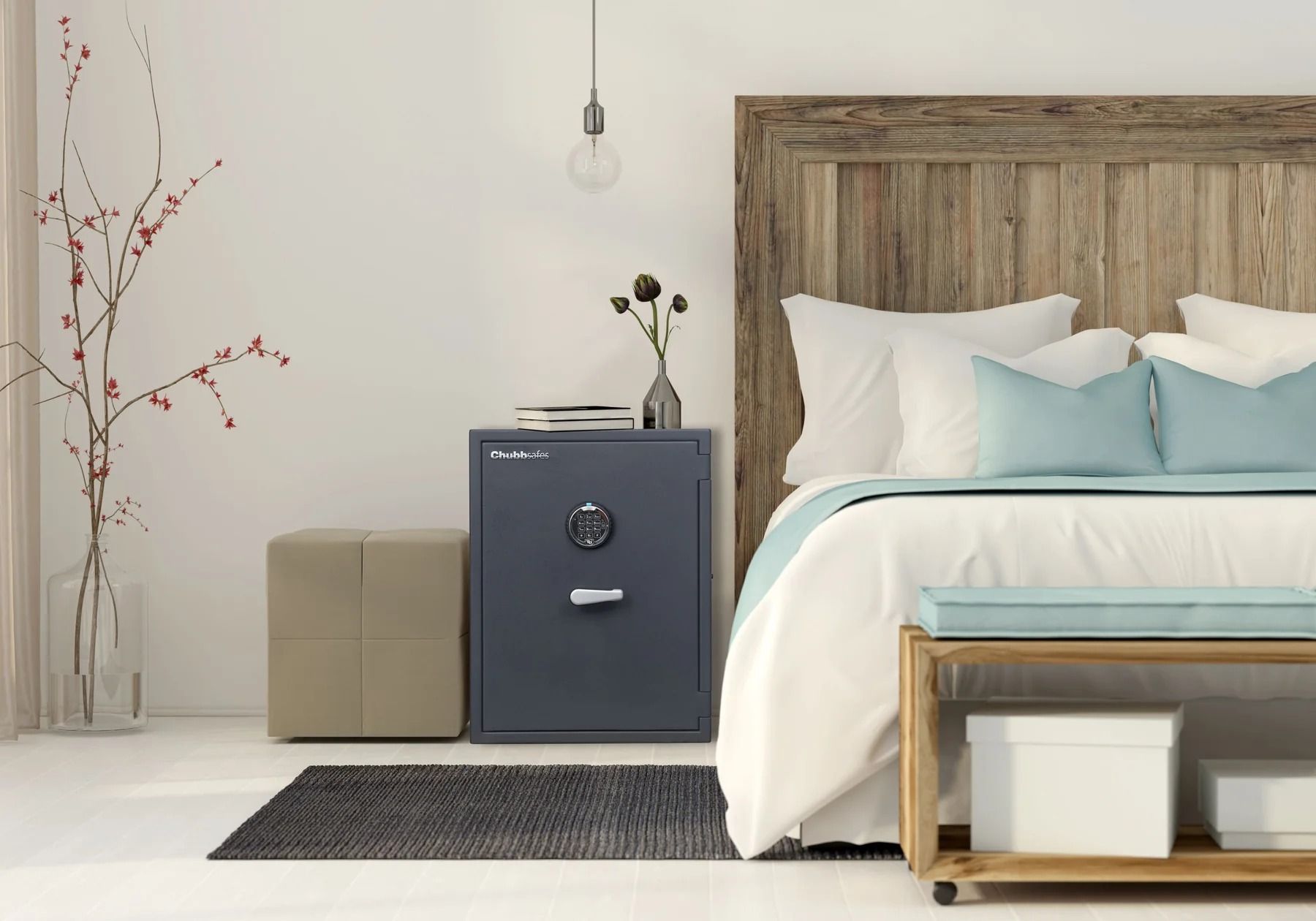
Size is one of the most common purchase mistakes, because buyers often choose based on the gun’s dimensions rather than how they will store it safely. Consider whether the pistol will be stored with accessories attached and whether you need room for magazines or a compact chubb safes lockbox for documents. A properly sized safe prevents awkward overstuffing and helps ensure the door closes fully and securely. Measure the available space where the safe will be installed, including clearance for opening the door and any mounting hardware.
Locking method matters just as much as capacity. Many buyers compare digital keypad options with mechanical key locks, weighing speed of access, reliability, and how the lock will be managed by household members. Digital systems can offer fast entry, while key-based systems provide a straightforward approach for users who prefer manual control. Whatever you choose, look for a design that resists tampering, supports stable operation, and includes clear instructions for authorized access.
Assess Construction, Mounting, and Real-World Durability
Strong steel thickness, reinforced door components, and a secure locking bolt arrangement all contribute to resistance against forced entry. You should also consider how the door seals and how the internal layout protects the handgun from shifting during daily use. A durable safe doesn’t just slow an intruder; it also maintains integrity through years of opening, closing, and handling of keys or codes.
Mounting is where security becomes practical. A safe that sits loosely can be more vulnerable than one that is anchored to a solid surface, especially if thieves use tools to pry or move it. Look for options that allow bolting to studs, concrete, or other stable substrates, and verify the hardware and installation requirements before purchase. If you plan to install in a cupboard, wardrobe, or under-stair area, confirm that ventilation and clearance are adequate so the door can open fully without obstruction. Thoughtful positioning reduces opportunities for quick access while keeping authorized users comfortable with routine use.
Conclusion
Start with your threat scenario, confirm the internal dimensions and intended storage items, and then prioritize lock reliability, reinforced construction, and solid anchoring. Buyers who take these steps are far more likely to end up with a safe that protects effectively and fits seamlessly into their home or workplace routines. For practical guidance and a range of storage solutions, Security Safes can help you select dependable options for secure handgun storage and valuable belongings. With a clear focus on suitable protection for Australian homes and businesses, securitysafes.com.au makes it easier to compare safe types and choose what works for your specific requirements. When you’re ready, use your measurements and security goals to narrow down choices, then verify the locking and mounting details so you can buy with confidence.
