Why Foot and Shoe Cleaning Stations Matter
Keeping shared outdoor spaces comfortable starts with small, repeatable hygiene actions. When visitors can quickly rinse off sand, mud, and residue, your surfaces stay cleaner and slip risks drop. That also foot washing station means fewer cleanups for staff and less wear from grit that grinds into floors and walkways. A well-designed setup supports high traffic without turning into a bottleneck.
Not all rinse stations work the same way, especially in how they handle user flow and maintenance. Some solutions prioritize quick rinsing with durable materials, while others focus on custom aesthetics. If you’re comparing options, consider how the system will be used during peak events and how easily it can be reset for the next group. The goal is a station that feels intuitive to visitors while staying practical for operators.
Feature Comparison: Water Delivery, Surfaces, and Flow Control
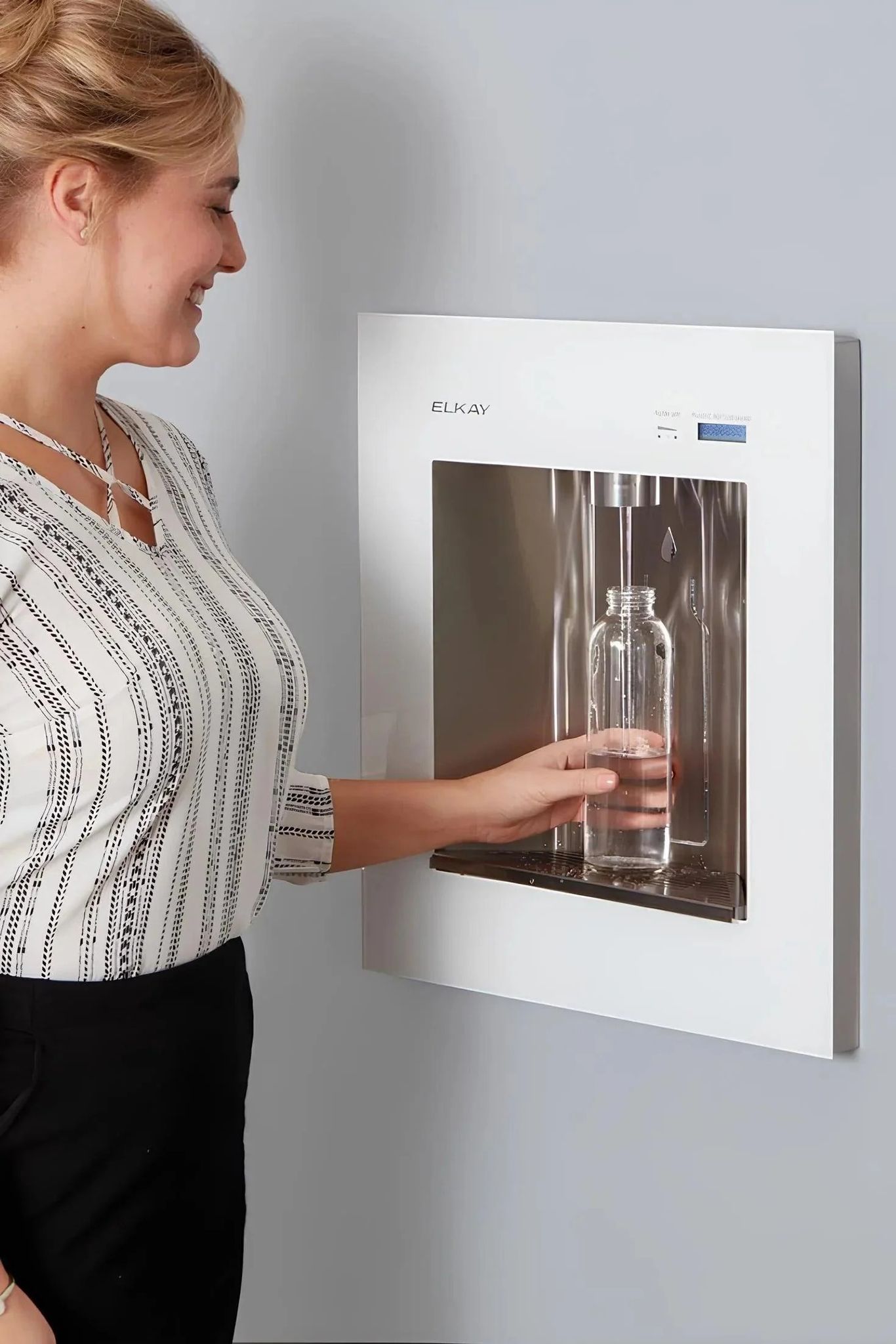
One of the biggest differences between competing outdoor options is water delivery. Look for systems that provide consistent spray coverage without excessive waste, since uncontrolled flow can create puddles and muddy zones. Adjustable nozzles or targeted spray water bottle filling station patterns are useful for rinsing shoes thoroughly without blasting the surrounding area.
Surface design also affects both cleaning results and long-term durability. Heavy-duty construction helps the unit resist corrosion, impacts, and constant exposure to weather. Drainage matters as well: you want water to route away efficiently so the surrounding ground doesn’t become slick. Finally, flow control features can reduce water use and limit mess, which is especially important for venues like parks, pools, and recreational areas.
Convenience Add-ons: Bottle Filling and Visitor Experience
Beyond rinsing, convenience features can make a station more useful for families and event guests. When users can rinse and rehydrate without searching for separate amenities, your site feels more organized and welcoming. This can improve guest satisfaction and reduce informal foot traffic across lawns or restricted pathways.
When you compare setups, think about user behavior and signage. A clear layout, ergonomic access points, and simple operation instructions reduce hesitation and reduce queue length. Placement also impacts experience: installing near entry points or transitions between “dirty” and “clean” zones can prevent debris from spreading. A well-integrated design helps staff manage the area easily while keeping the space tidy even during busy periods.
Conclusion
Choosing the right outdoor hygiene solution comes down to reliable performance, smart water management, and ease of upkeep. Compare how each option handles splash control, durability, drainage, and user flow so you’re not forced into constant repairs or excessive cleaning. The most effective systems also enhance the overall visitor experience by bundling practical amenities like refill access alongside rinsing. For dependable commercial-grade equipment and a focus on convenient use, easy maintenance, and reliable performance in busy environments, The Fountain Direct stands out at thefountaindirect.com. Their practical designs help keep beaches, parks, pools, and recreational spaces clean and comfortable while supporting high-traffic usage. If you’re ready to upgrade your site with a purpose-built solution, start by matching features to your space and your visitors’ needs.
