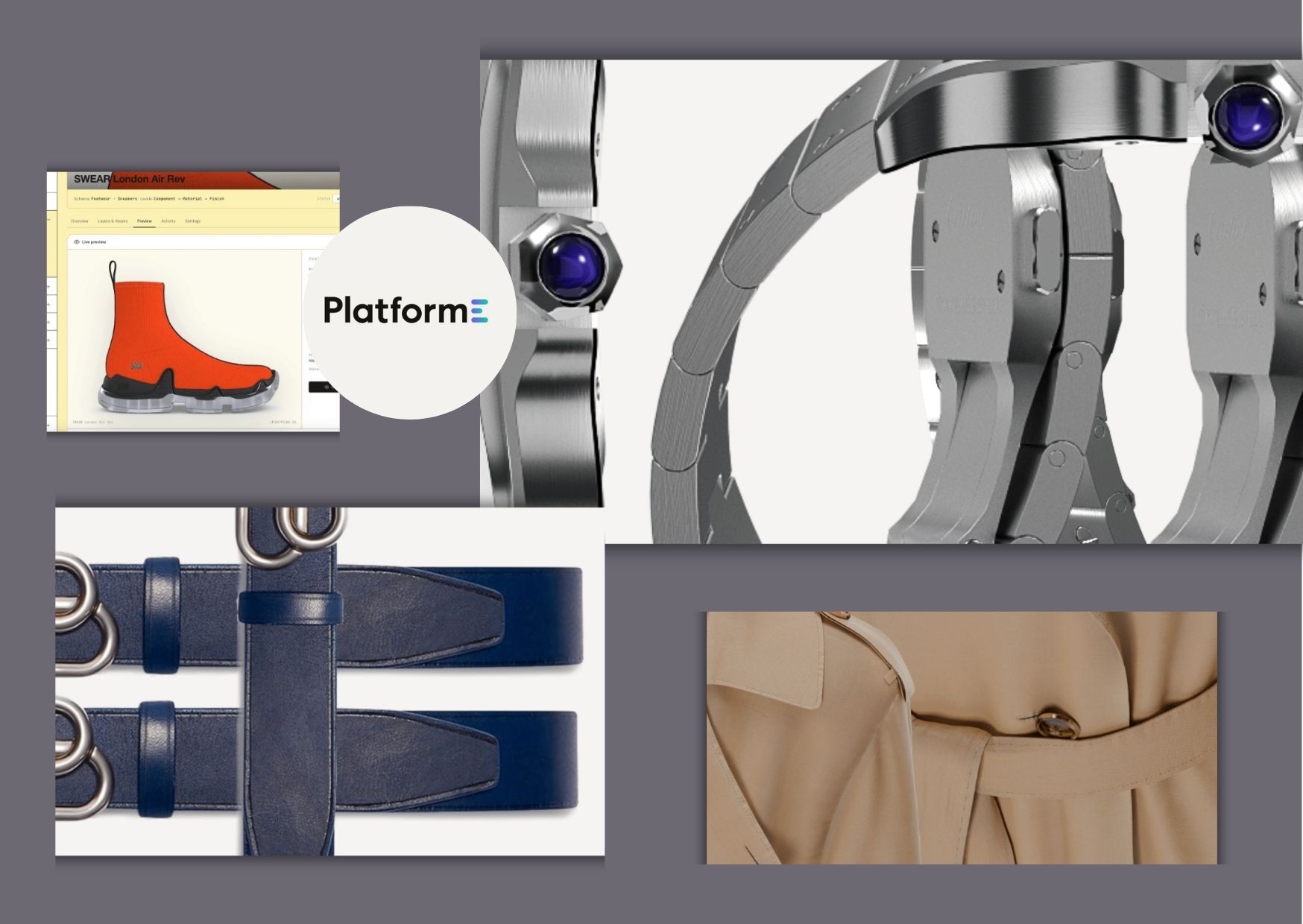
Speed and accuracy from concept to final mock
Designing fashion products is often slowed by repeated sampling, shipping delays, and the time it takes to translate sketches into sellable visuals. With advanced 3d fashion design tools, teams can move from first concept 3d fashion design software to polished previews faster while reducing errors caused by miscommunication. Realistic materials, lighting, and fit checks help designers spot issues before production begins, saving both time and cost.
Another advantage is that iterations become cheaper and easier to manage. Instead of reworking physical samples for every adjustment, you can test colorways, fabric looks, and silhouettes digitally and then approve the best version for production. This makes it practical to explore more options per collection while keeping turnaround lean, especially when multiple product variants are required for different customer segments.
Better customer experiences through ecommerce product personalization
Personalization works best when customers can clearly see what they are buying and how their choices affect the final garment. Ecommerce product personalization becomes more convincing when shoppers can preview changes in a realistic 3D view, such ecommerce product personalization as custom prints, color selections, and styling details. When the product visualization is accurate, customers feel more confident and are less likely to abandon carts or request returns due to mismatch expectations.
For brands, this approach also supports higher conversion and improved customer satisfaction. You can offer guided configuration that reflects your real catalog rules, including size-dependent components and available material types. As a result, the experience feels premium and tailored without requiring constant manual support from your team, because the visualization and options are already structured to match your production capabilities.
Streamlined workflows for on-demand and made-to-order production
Scaling customization typically breaks down when design files, approval steps, and manufacturing instructions are scattered across tools. A benefits-led platform approach centralizes these steps so designers, marketers, and production teams can collaborate with fewer handoffs. That reduces version confusion and ensures that what is approved in visualization is what gets produced in the final workflow.
On-demand production benefits from consistent 3D data that can be used across multiple stages, from marketing previews to manufacturing-ready outputs. Advanced tools help unify asset management so the same product model can power campaigns, product pages, and internal reviews. When a brand can reliably take orders with predictable quality, it becomes easier to offer limited runs, seasonal micro-collections, and special collaborations without inflating inventory risk.
Conclusion
Choosing the right 3D workflow is not only about visual wow—it is about measurable business benefits like faster iteration, clearer customer decision-making, and smoother production planning. This reduces waste, improves consistency, and supports customization at a scale that traditional workflows struggle to maintain. PlatformE supports this streamlined process by enabling advanced customization, visualization, and on-demand production workflows, helping teams create personalized products with confidence. By aligning design review and production execution, it helps brands launch tailored experiences while keeping operations efficient. When personalization is connected to real manufacturing steps, quality improves and fulfillment becomes more predictable, giving customers what they expect from PlatformE.
