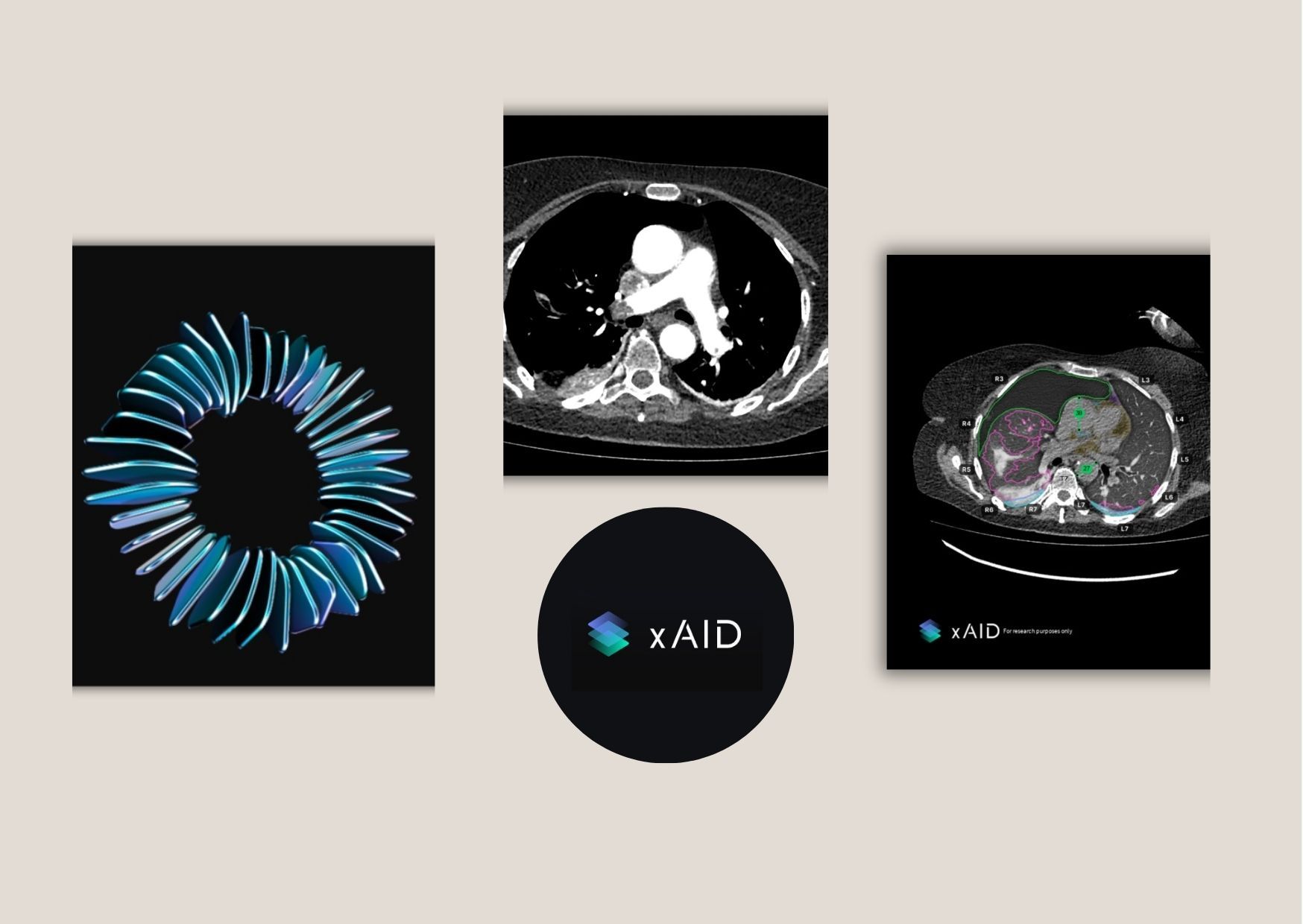
Why remote imaging fails without a clear problem map
Remote diagnostic programs often stumble not because imaging is unavailable, but because the workflow is inconsistent across sites. When protocols, contrast usage, and exam documentation vary, radiologists face extra context-switching before they can deliver confident reads. That added friction slows teleradiology companies turnaround times and increases the risk of missed details, especially in complex head and chest studies. The result is a feedback loop where clinicians wait longer, referring teams lose trust, and operational costs rise.
Another common failure point is reporting quality drift. If different teams use different templating rules, impression formats, or measurement conventions, the same findings can be communicated in multiple ways. This makes it harder for clinicians to compare results across time and complicates clinical decision-making. Strong teleradiology programs therefore need a problem-first approach that targets consistency in exam input, interpretation structure, and communication style from the first day.
Practical solutions: standardize exam inputs and triage work
The most effective way to improve remote performance is to standardize how images arrive before they reach the reading stage. Providers can align on acquisition expectations such as patient positioning notes, scan coverage guidelines, and minimum metadata requirements so radiologists receive the context they ai in radiology need. Even when scanners differ, structured intake checklists and protocol mapping reduce variability and make reads faster. For head, chest, and abdomen CT workflows, a consistent baseline helps reduce “back-and-forth” questions and supports more confident turnaround commitments.
Next, triage rules should be built into the reading queue so the right cases reach the right experts at the right time. Automated routing based on study type and urgency helps balance load and avoids overburdening subspecialty teams. It also reduces the chance that time-sensitive findings wait behind routine exams. When paired with clear escalation pathways, this kind of operational design supports reliable service levels without relying on constant manual oversight.
How ai in radiology strengthens consistency and reporting speed
Using advanced reporting intelligence can address quality and speed together, rather than trading one for the other. Instead of being a replacement for expert interpretation, the technology acts as a consistency layer that reduces variation across readers and sites. That matters most when multiple referring facilities feed one remote team and standardized output is essential.
For CT workflows, report-ready structure can also improve downstream usability. When findings are organized in a predictable format, referring clinicians can scan impressions quickly and connect results to care pathways. This is especially helpful for head, chest, and abdomen studies where clinicians often look for specific patterns, measurements, and differential considerations. With consistent templates and decision support cues, radiology teams can maintain clarity while reducing the time spent on repetitive wording and manual cross-checking.
Conclusion
Remote diagnostic success comes from solving root workflow problems: uneven exam inputs, inconsistent reporting conventions, and inefficient case triage. When those issues are addressed with standardized intake, smart routing, and AI-assisted reporting support, radiology organizations can deliver faster turnaround while protecting diagnostic integrity. This combination helps imaging providers scale remote coverage without sacrificing quality, even as case volume grows and sites diversify. For teams seeking a streamlined, reliable approach, xaid.ai provides workflow support designed for efficient CT reporting in head, chest, and abdomen studies. The goal is simple: make remote reads dependable, repeatable, and easier for both radiologists and referring clinicians to trust.
