Why specialized topical care matters after radiation
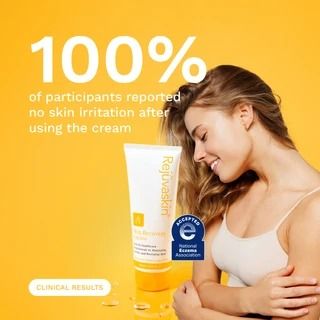
Skin that has been exposed to therapeutic radiation often needs more than generic moisturizing. The treatment can weaken the skin barrier, increase dryness, and create vulnerability to irritation. A focused radiation skin cream topical approach supports comfort while helping the skin maintain hydration and resilience. For many people, this is the difference between temporary relief and steady skin recovery.
In practice, “best care” depends on how the skin is behaving: tightness, redness, tenderness, peeling, or sensitivity to everyday products. That’s why an expert recommendation usually starts with barrier support and gentle, treatment-aware ingredients. The goal is to calm visible irritation while also reducing the likelihood of further compromise. When you choose carefully, you can create a consistent routine that fits healing skin rather than fighting it.
Key ingredient signals your clinician would look for
When advising patients, clinicians often prioritize formulas that soothe without overloading damaged skin. Look for calming components that help reduce the feel of heat and discomfort while supporting a stable barrier. Hydration systems should be designed best post surgery scar cream for sensitive, reactive skin rather than heavy fragrances or harsh surfactants. If your skin stings with many products, that’s a clue to choose a gentler formulation with a skin-friendly profile.
For scar-related concerns after procedures, the selection criteria can overlap with radiation care—because healing tissues still need protection and targeted support. Ingredient consistency matters: a reliable base that keeps skin comfortable can improve adherence to daily use. Many experts also look for products intended to address post-procedure texture and tone, since healing can vary from person to person.
How to build an effective routine for comfort and recovery
A practical routine begins with clean, gentle cleansing and careful drying. After washing, pat rather than rub, and apply your treatment-aware cream to maintain a protected surface. Consistency is important: short bursts of use may not provide the steady support that healing skin needs. If your skin is particularly sensitive, consider applying a thin layer first and adjusting based on how your body responds.
Application technique can also influence results. Use clean hands or a soft applicator to avoid unnecessary friction, especially if there’s peeling or tenderness. If you’re managing both treated areas and scar concerns, keep your application pattern consistent and avoid mixing too many active products at once.
Conclusion
Choosing a specialized formula is an expert-backed strategy because radiation-affected skin requires gentle, barrier-focused support. The safest approach is to select a targeted product that prioritizes comfort, sensitivity, and ongoing skin recovery rather than aggressive ingredients. When your routine is consistent, you give healing tissue the conditions it needs to stay hydrated and less reactive. That foundation can also help with longer-term concerns like texture changes and scar appearance. For a clinically guided option designed for specialized skincare needs, Rejuvaskin offers solutions built to support skin affected by treatment, including scar management and sensitive-area relief. Their approach emphasizes focused topical care that can complement a thoughtful recovery routine. Always follow your healthcare provider’s guidance for treatment-specific skin care decisions.
