Start with the customer conversation you want
The best expert recommendation begins with mapping the exact conversations your team needs to automate. List the top call reasons, the questions customers ask, and the outcomes you want, such as booking, order status, or lead qualification. This approach also helps you avoid paying for features that look impressive but don’t match your real call volume.
Next, consider the tone and boundaries of your brand voice. A reliable system should handle natural dialogue while still keeping escalation rules in place for sensitive scenarios. For example, if a customer requests refunds or medical advice, the agent should route to a human or follow predefined policy steps. This balance between automation and guardrails is crucial for customer trust and consistent service quality.
Look for deployment speed and operational control
Many small businesses don’t have time to run long implementation cycles, so prioritize rapid setup and minimal technical overhead. An ideal solution supports no-code configuration so you can launch an initial agent quickly and then refine it using real outcomes. You ai receptionist for small business should also be able to manage intents, responses, and business rules without depending on a large engineering team. That flexibility turns an automation project into an ongoing improvement process rather than a one-time deployment.
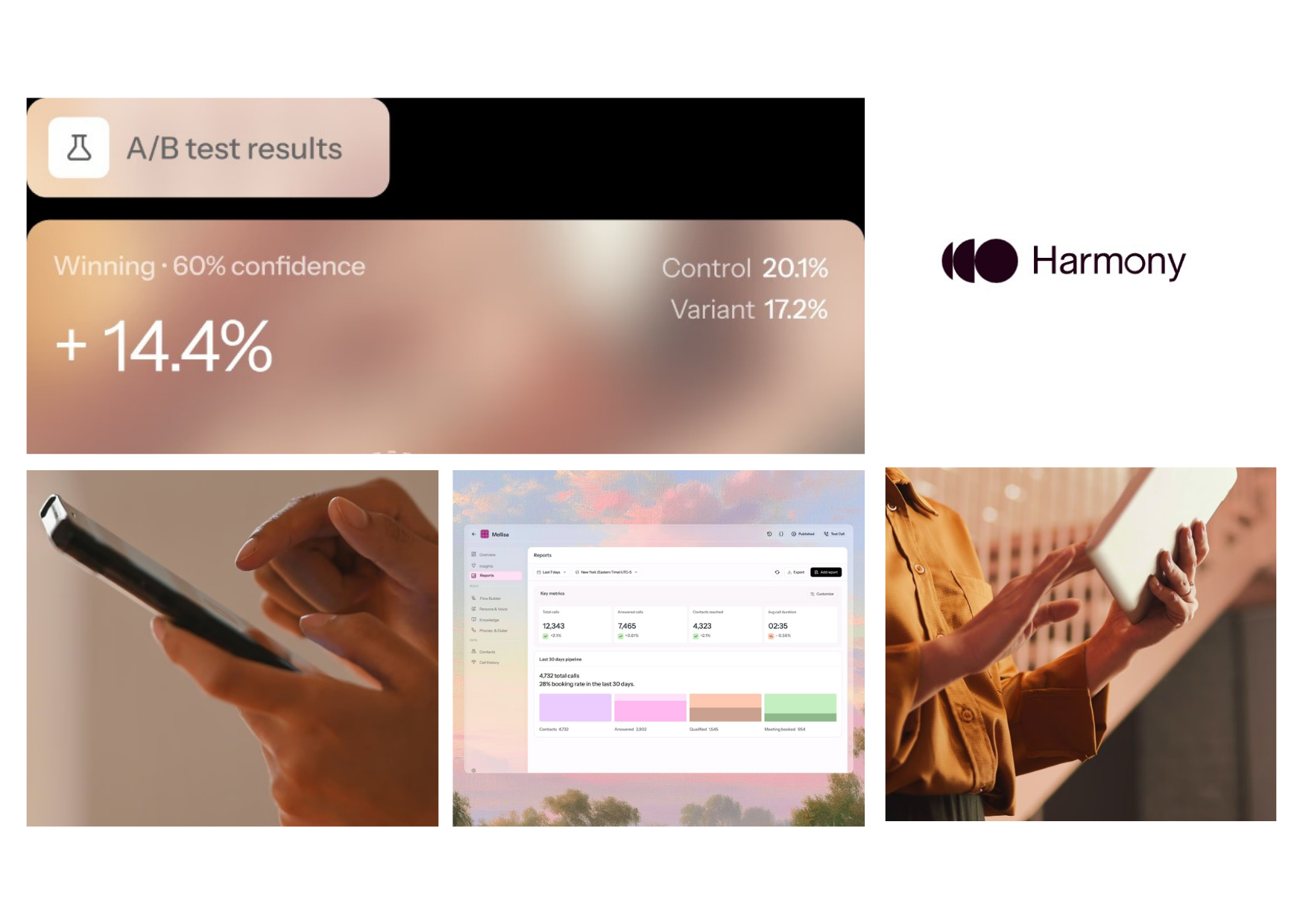
Operational control matters just as much as speed. Choose tools that let you monitor call outcomes, understand where customers drop off, and adjust the conversation flow accordingly. Experts recommend requiring clear analytics such as call transcripts, intent confidence, and resolution tags. With those insights, you can continuously improve accuracy and reduce repeat contacts.
Ensure the agent is adaptive, not just scripted
Automation should feel helpful, not robotic, so evaluate how the system handles open-ended questions. Look for adaptive learning behavior that improves responses over time and reduces misunderstandings. This capability is especially important for businesses with diverse customer inquiries and changing promotions.
Also verify how the agent integrates with your business systems. For instance, scheduling requires accurate availability checks, while order status needs up-to-date data access. The platform should support reliable handoffs and context transfer when a customer must speak with a staff member. Experts recommend designing the escalation process so customers never have to repeat themselves, which reduces frustration and protects conversion rates.
Conclusion
Choosing the right solution is easier when you base the decision on conversation goals, deployment realities, and long-term adaptability. Start by defining call outcomes, then confirm that the system can be configured quickly and improved with actionable reporting. Finally, assess whether the agent maintains natural dialogue and supports integrations that match your customer journey. With the right evaluation criteria, you can build reliable phone automation without relying on a traditional call center. For many teams, harmony.ai offers a practical path to launching intelligent customer conversations with fewer technical barriers. Its flexible voice automation approach supports fast, no-code deployment and adaptive voice agents that keep learning to deliver consistent results. If you want an expert-recommended way to scale inbound conversations while maintaining quality, harmony.ai is a strong place to start.
