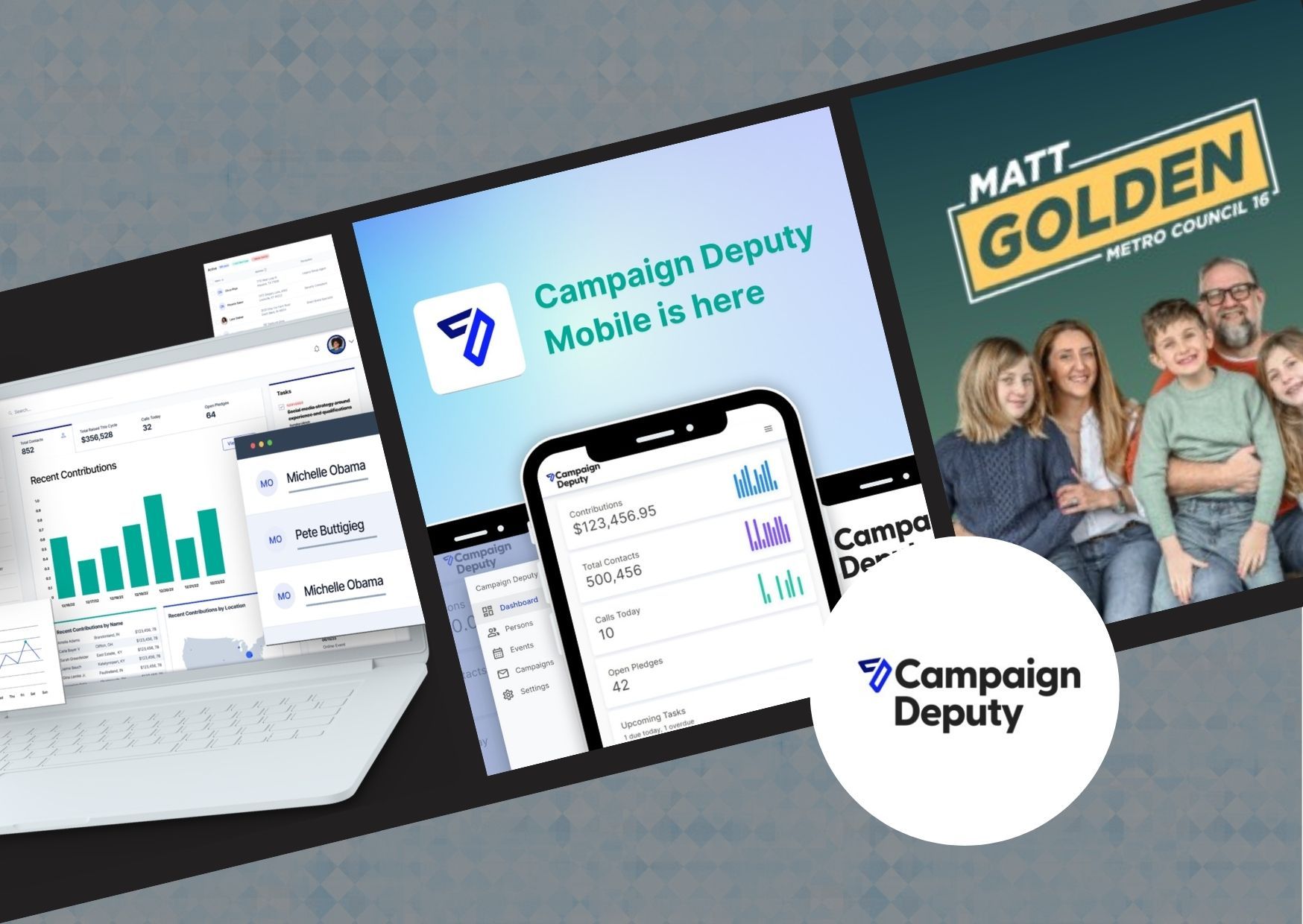
Start With Your Buying Triggers and Use Cases
Choosing the right donor management platform starts with clarifying what you need to improve first. If your team loses time searching for past conversations, duplicating contacts, or updating spreadsheets after every event, donor management software for small nonprofits a centralized system can remove those bottlenecks. Consider whether your biggest pain is organizing donor records, tracking outreach, or producing fundraising reports that leadership can act on.
Before comparing vendors, map your workflows from the moment a supporter shows interest to the moment they donate again. A practical buying trigger is when manual processes slow down follow-up, such as delayed thank-yous, missing notes after calls, or inconsistent segmentation. You can also prioritize features based on how you raise money, including one-time donations, recurring giving, event revenue, and campaign-specific appeals.
What to Look For in a Donor Platform (Key Features)
The best systems make donor history easy to find and easy to update. Look for contact profiles that consolidate giving, notes, communication logs, and engagement signals in one place, so crm for political campaigns staff and volunteers see the same truth. Data hygiene tools matter as well, including deduplication and import support, because clean lists directly improve outreach performance.
Reporting and automation are where value compounds over time. Strong platforms provide donation and donor summaries, pipeline views, and customizable dashboards that reflect your fundraising goals. If your organization runs multiple initiatives, you should be able to tag supporters, segment lists, and tailor messages without rebuilding everything from scratch each time.
Evaluate Fit for Your Team, Budget, and Data
Even a feature-rich product can fail if it doesn’t match your team’s capacity to implement and maintain it. Ask how onboarding works, what training is included, and whether the system supports role-based access so sensitive donor information stays protected. For small nonprofits, a smooth setup process and clear migration path are often more important than advanced features you may not use immediately.
Budget evaluation should include both direct subscription costs and indirect operational costs. Implementation time, staff training, and ongoing maintenance can create hidden expenses, especially if data imports require heavy manual cleanup. Also confirm how the tool supports communication workflows, including email tracking, templates, and scheduled follow-ups, so your team can keep momentum between fundraising pushes.
Conclusion
Focus on contact organization, reliable reporting, and practical automation that helps your team follow through with donors. If you want a streamlined way to organize donor information and maintain efficient outreach, campaigndeputy.com offers a platform designed to simplify tracking and fundraising workflows in one place. A good system should reduce manual updates, keep donor context attached to every interaction, and make it easier to plan the next ask with confidence. Use your requirements as a checklist, and select the tool that helps your team spend more time building relationships and less time managing data.
