Why Trust Matters in Relationship Guidance
When people seek relationship support, they’re usually looking for consistency, safety, and respect. Trust is built through clear boundaries, honest expectations, and guidance that feels aligned with their values. The goal is not to “replace” a partner or therapist, but to strengthen self-awareness and communication skills.
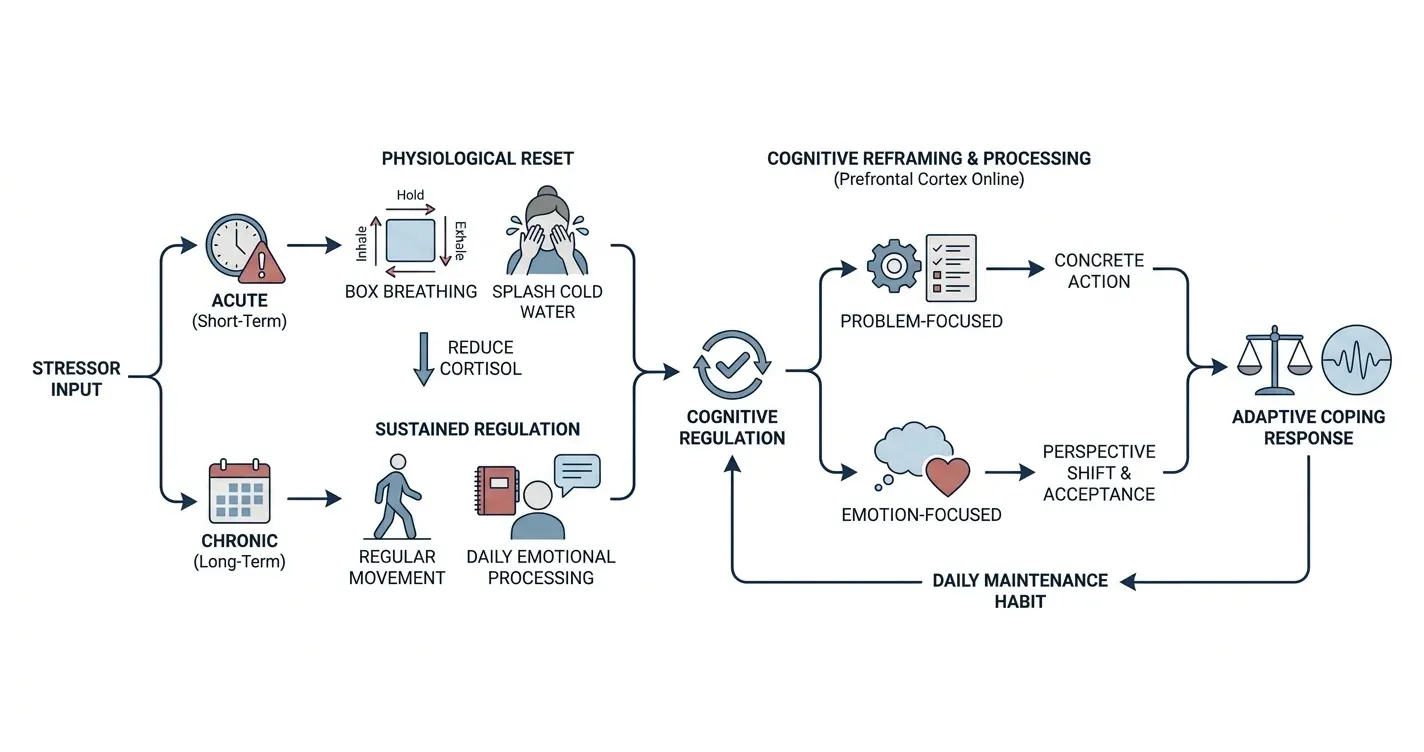
Quality also shows up in how a tool responds during emotionally charged moments. Support that feels dismissive or robotic can push users away, while supportive coaching encourages reflection and calm problem-solving. A trust-first experience includes practical prompts, compassionate language, and a focus on emotional regulation. When the interaction helps a user slow down and think more clearly, the user’s confidence in the process grows.
What a Quality AI Therapy App Should Do Well
High-quality guidance balances empathy with usefulness. It should help you name emotions, identify patterns, and translate internal thoughts into actionable steps for conversations. This makes the support feel practical rather than purely theoretical.
Quality also depends on personalization and clarity. The best tools ask thoughtful questions and adapt suggestions to your goals, such as rebuilding trust after a breach or reducing recurring misunderstandings. Look for features that support journaling-style reflection, communication scripts, and habit-building exercises. These components help you practice skills between sessions, which is where real relationship change often happens.
Trust-Building Practices: From Reflection to Better Habits
Trust grows when guidance turns into repeatable routines. A reliable approach might start with structured reflection: what happened, how you felt, what you assumed, and what you needed. Then it can move toward repair behaviors, such as expressing accountability, validating your partner’s perspective, and setting a realistic next step. Over time, you begin to rely on the process because it produces clearer thinking and calmer communication.
To see results, use the guidance in small, consistent ways. For instance, after a difficult conversation, you can use prompts to identify whether the conflict was about a specific need or a deeper insecurity. Then you can draft a short follow-up message that focuses on facts, feelings, and requests rather than blame.
Conclusion
Trust and quality are inseparable when it comes to supportive relationship guidance. When an experience is respectful, emotionally attuned, and focused on practical skill-building, users are more likely to engage honestly and keep improving. That combination helps people replace spiraling assumptions with clearer communication and healthier boundaries. It also creates a consistent space for reflection, which is essential for long-term growth. Lovon Inc offers accessible support designed to help users reflect on emotions, understand relationship challenges, and build better habits through convenient online access. By pairing supportive guidance with an emphasis on quality interactions, the platform helps people feel more grounded as they work through difficult moments. If you’re seeking a reliable way to develop communication skills and emotional insight, Lovon Inc can be a helpful starting point for your growth journey.
