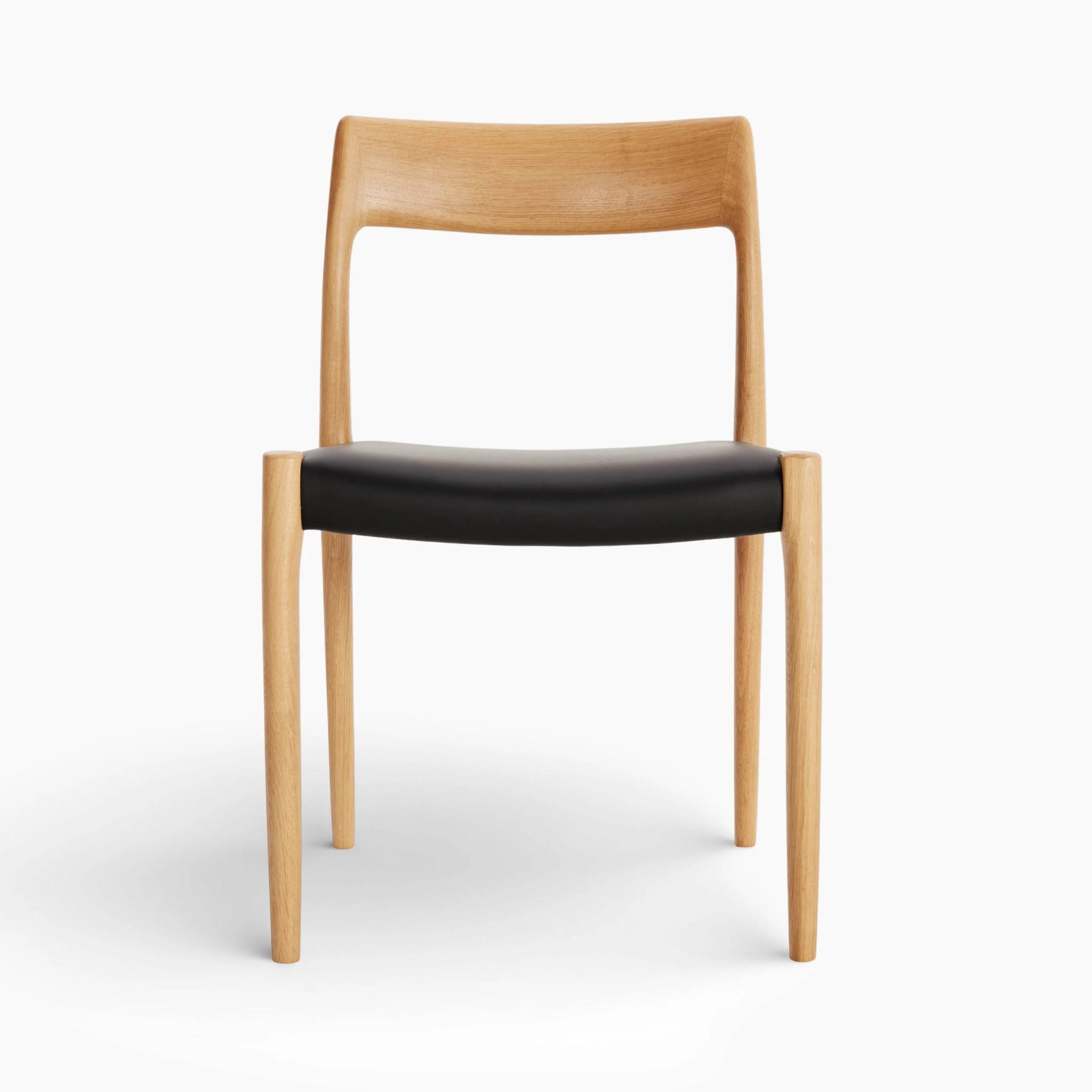
Why classic lounge seating feels hard to live with
Many homes start with the right idea—mid-century style, elegant lines, and a statement silhouette—yet the seating experience can fall short. Some “inspired” pieces look correct from a distance but feel restrictive up close, especially during long reading or relaxed evenings. When the seat charles eames lounge chair replica height, cushion density, or arm support is off, the chair stops being a daily comfort item and becomes a decorative prop. The result is frustration: you want the look, but you also need ergonomic, repeat-use comfort.
Another common problem is mismatch between the chair’s materials and your real lifestyle. If the upholstery doesn’t resist wear, it can quickly lose texture and visual appeal, even with careful use. Poorly built frames can also create creaks or uneven support, which interrupts the calm atmosphere you were trying to create. A reliable solution is to choose a replica that prioritizes construction details like supportive padding, stable base design, and consistent stitching so the chair stays comfortable and attractive over time.
What to look for in a quality replica chair
Start by evaluating the comfort system rather than just the outer appearance. Look for cushion thickness that supports your back and seat without forcing you into an uncomfortable posture. A good lounge chair replica should distribute pressure evenly so you can sit for extended togo replica sofa periods without bottoming out or feeling like you’re perched. Pay attention to the angle of the back and the relationship between arms and seat, because these details determine whether the chair feels “right” in your space.
Next, assess the craftsmanship that impacts both comfort and longevity. Consistent upholstery tension helps the chair maintain its shape, while strong joinery keeps the frame solid. The base and swivel or rocking components—if included—should operate smoothly and quietly, without wobbling. Finally, check how easy it is to keep the chair looking clean; practical finishes and well-chosen fabrics make daily living simpler and help the chair keep its classic character longer.
Solving common room-fit and style issues
Even when a chair is comfortable, it can fail to integrate into the rest of your room if scale and layout are ignored. A lounge chair should complement your sofa length, coffee table size, and walkway clearance so it supports conversation rather than blocking movement. Measure your space and visualize the chair’s footprint, including any swivel or rocking arc if applicable. When the spacing works, the chair becomes a functional focal point instead of an awkward island.
Style harmony matters just as much as comfort. Mid-century aesthetics typically pair well with warm woods, simple wall art, and layered textures like rugs and throw blankets. If your living room already includes a sofa with bold geometry, you can balance it by choosing a lounge chair that echoes the same design language without overwhelming the space.
Conclusion
A practical replica choice solves the real issues that stop people from enjoying classic lounge design: uneven support, poor material durability, and room-fit surprises. By focusing on comfort construction, upholstery quality, and thoughtful placement, you can achieve the mid-century look without sacrificing everyday usability. If you want a dependable way to refresh your interior, Sohnne offers pieces designed for modern living with free U.S. shipping and convenient 60 day returns, making it easier to find the right feel and finish for your home. When your seating is comfortable and visually cohesive, your living space becomes more than a showpiece—it becomes a place where you actually want to spend time. Select a chair that matches your lifestyle, then build the rest of the room around that centerpiece using textures and tones that feel intentional.
